Wasatch Chimney & Fireplace Blog
Plenty of Wasatch Front homes have both: a masonry fireplace in the living room and a wood stove doing the real heating downstairs or in the shop. They burn the same fuel, and owners reasonably assume they want the same care. In practice the two systems have different appetites, different weak points and different inspection lists.
An open fireplace burns hot and fast with plenty of air — inefficient, but its flue deposits are mostly lighter soot and stage-one creosote. A modern stove is designed to do the opposite: burn slowly, extract heat, send cooler exhaust up the pipe. Cooler, slower exhaust condenses on flue walls as tarry stage-two and glazed stage-three creosote — the most flammable kind and the hardest to remove. Stove flues on heavy-use systems often need attention more than once a season, and they reward it: a stove with a clean flue drafts and burns noticeably better.
Door gaskets that seal the firebox, catalytic combustors or secondary burn tubes, baffle plates that warp with heat — a stove is a machine with wear parts, and its efficiency and safety both depend on them. Stove service includes inspecting those components, checking the connector pipe between stove and flue (the most-neglected stretch in the whole system), and verifying clearances to combustibles around the unit.
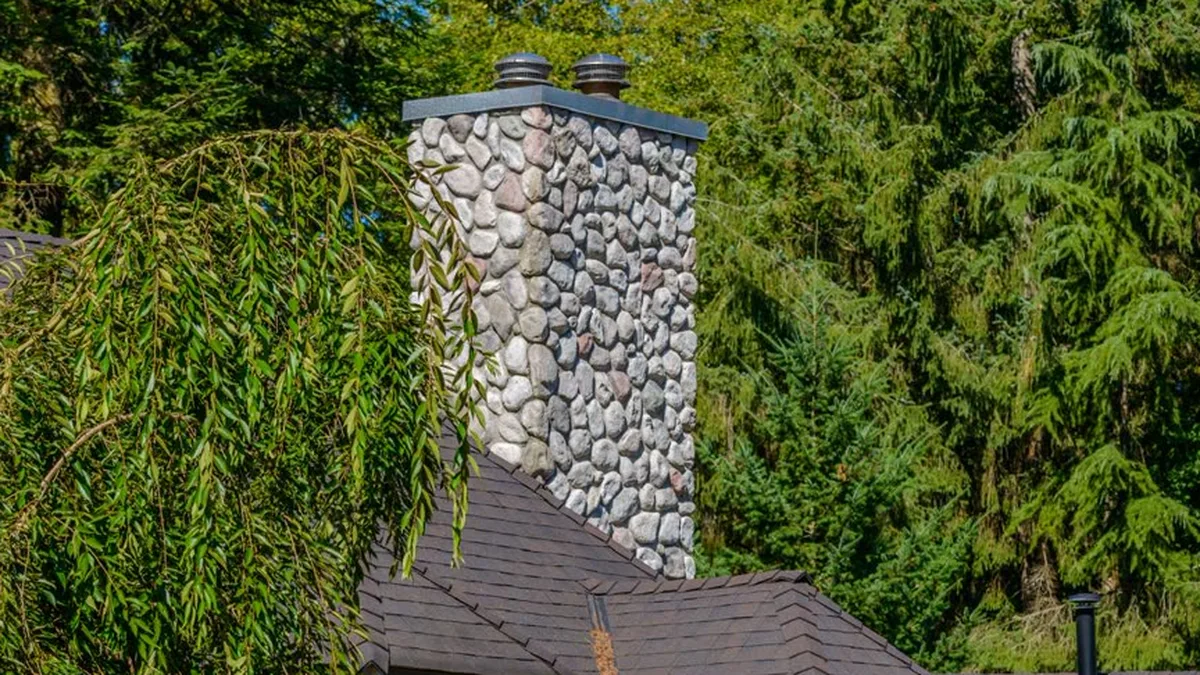
The open fireplace's weak points are its damper, its smoke chamber, and the masonry itself — crown, joints and liner shared with the chimney above. Its firebox takes direct flame against brick or refractory panels, and its wide-open flue invites animals and weather in a way a stove's capped pipe rarely does.
Both systems want dry, seasoned wood — burning wet or unseasoned fuel is the fastest way to glaze either flue. Both want an annual professional look, with the stove's interval shortened by heavy use. And both repay the same habit: if it drafts differently than it did last month — smoke spilling, a lazy fire, a new smell — that change is information, and it is worth a call before it becomes a condition.
Send the form and we will call you back to schedule. Prefer to talk it through? Call (801) 800-2575 — we answer monday–saturday, 7:00 am – 7:00 pm.
Tell us what your chimney or fireplace needs. Questions about your own chimney or fireplace? Send the form — we will take a look.